Forester vibe: familiar, but tougher and more modern
The Subaru Forester has always been the “no-drama” SUV that people end up loving more every year they own it. It’s the one you buy for sensible reasons, then keep because it quietly fits your life. The Subaru Forester story for 2026 is all about keeping that trust… while finally giving the design and tech a stronger presence.
| Category | 2026 Subaru Forester (Highlights) |
|---|---|
| What’s New | Sharper, more rugged design, updated cabin tech, new/updated Wilderness focus |
| Drivetrain | Subaru Symmetrical AWD across the lineup (Forester identity) |
| Off-Road Focus | Forester Wilderness emphasizes extra capability and clearance feel |
| Tech | Bigger, more modern infotainment experience depending on trim/market |
| Hybrid Hints | Hybrid availability is market-dependent; signs point toward broader hybrid rollout |
| Buyer Type | Family-friendly daily SUV that still loves weekend trails |
This time, the look feels bolder. Not “trying to be a tank” bold, but more upright, more confident, and more outdoors-ready. The Subaru Forester has never needed flashy styling to sell, yet the 2026 model leans into a tougher face and a more planted stance that makes it feel less soft around the edges. It’s the kind of change you notice right away in traffic and parking lots.
Bolder design: why the 2026 Forester looks more “adventure-ready”
Design isn’t only about looking good on a brochure. It’s also about how a vehicle feels when you walk up to it every morning. The 2026 update gives the Subaru Forester a more upright, squared-off attitude, which suits what owners actually do with it: school runs, office commutes, grocery missions, weekend highway drives, and the occasional spontaneous “let’s go somewhere green.”
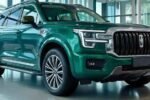
Expect the details to lean rugged. Stronger body lines, chunkier protection in the right places, and a front end that looks more purposeful. It still reads as a Subaru Forester, but with a fresher, more capable energy.
The Subaru Forester Wilderness direction matters here too, because it influences the overall image of the lineup. Wilderness models usually push tougher styling cues and trail-ready touches, and that vibe tends to spill over into how the entire Subaru Forester family is perceived. In simple words, the Forester now looks more like it means business.
Smarter AWD tech
If you strip away all the marketing, the main reason people choose a Subaru Forester is confidence. Not “sports car” confidence. Real confidence. Rain confidence. Broken-road confidence. Hill-start confidence. Long-trip confidence.
That’s why AWD isn’t just a spec here. It’s the personality of the Subaru Forester.
For 2026, the talk around “smarter AWD” is really about refinement. Subaru’s Symmetrical AWD is already a known strength, but what matters to owners is how it behaves in real life. Smooth traction delivery. Predictable grip. Stable cornering when the road is wet. A feeling that the SUV is planted rather than nervous.
Add Subaru’s drive modes and off-road logic in the right trims, and the Subaru Forester becomes the kind of SUV that helps average drivers feel like pros when conditions get tricky. You don’t need to be an off-road hero. The Forester just needs to feel sure-footed, and that’s where Subaru usually shines.
Hybrid hints
Now the part that gets the comment sections fired up: hybrid.
The “hybrid hints” around the 2026 era Subaru Forester come from two directions. First, the market is demanding it. People want efficiency without giving up AWD confidence. Second, Subaru has been clearly moving toward electrification in broader steps, and the Forester is too important a nameplate to stay out of that trend forever.
A hybrid Subaru Forester makes sense because the Forester customer is practical. They want better mileage, but they don’t want to lose the things that make a Forester a Forester: traction, durability, and usable space.
The important thing to understand is that hybrid availability can be market-dependent. Some regions may see hybrid versions earlier than others. That’s why the safest way to read the situation is this: the 2026 Forester conversation strongly suggests hybrid expansion is coming, and the brand is listening to buyers who want a more fuel-friendly Subaru Forester without changing the Forester’s core character.
If Subaru nails the tuning, a hybrid Subaru Forester could feel even smoother in city driving, with stronger low-speed pull and calmer stop-and-go behavior. That’s exactly the kind of everyday improvement Forester owners would appreciate.
Cabin and comfort
Let’s be honest: modern SUVs live and die by the cabin experience. People don’t only test-drive the engine. They test-drive the screen, the seats, the storage, and how quickly the cabin makes them feel “at home.”
The 2026 Subaru Forester aims to feel more updated where it counts, especially in infotainment and usability. Depending on trim and market, you’re looking at a more modern touchscreen experience and improved connectivity. The goal isn’t to turn the Subaru Forester into a rolling smartphone. It’s to make daily use smoother, quicker, and less frustrating.
Space is still the Forester’s quiet flex. The Subaru Forester has always been a master of “right-size” packaging: not too big, not too tight, and easy to live with. Expect good visibility, sensible seating, and cargo space that feels designed for real people, not just brochure numbers.
Comfort is also about how calm the SUV feels on a rough road. A Forester should take bad patches without turning the cabin into a drum. If the 2026 tuning continues Subaru’s comfort-first approach, the Subaru Forester will remain a strong pick for long drives.
Performance
Most Forester buyers don’t want a wild SUV. They want an SUV that never feels weak in normal situations. The 2026 Subaru Forester focus is expected to remain on smooth, predictable power delivery. Enough punch to merge and overtake, enough calm to cruise, and enough efficiency to make daily ownership feel affordable.
The real Forester magic is balance. The Subaru Forester doesn’t try to be the fastest in the segment. It tries to be the easiest to trust. That’s why power delivery, traction, and braking confidence matter more than bragging rights.
If a hybrid Subaru Forester expands, the performance story could get more interesting in the best way. Hybrids often feel stronger at low speeds, and that’s where many owners spend most of their time. A hybrid Forester could feel more responsive in traffic without needing a sporty tune.
Forester Wilderness
When people hear “Wilderness,” they expect more than stickers. They expect real upgrades that make the SUV feel built for trails, rough roads, and weekend abuse.

The Subaru Forester Wilderness direction is important because it gives the lineup a louder adventure voice. Even if you buy a standard Subaru Forester, the Wilderness image reinforces what the Forester is supposed to be: a daily SUV that can take you beyond the pavement without feeling out of place.
सम्बंधित ख़बरें
A Wilderness-style Forester usually brings more ground clearance feel, more aggressive tires, and features that help on loose surfaces. It’s not trying to compete with hardcore body-on-frame off-roaders. It’s trying to be the realistic off-road solution: the SUV you can drive to work all week and still confidently take to a muddy campsite on Saturday.
Safety and driver assist
Safety has always been a big part of the Subaru Forester identity. It’s one of the reasons families trust it. For 2026, expect the Forester’s safety approach to remain strong, with modern driver-assist systems designed to reduce fatigue and help avoid trouble in everyday driving.
What makes safety features feel valuable is how natural they behave. A good Subaru Forester should support you quietly, not annoy you. The best systems are the ones you start to rely on without thinking about them on long highway runs.
Subaru’s safety reputation also ties into visibility. Forester owners often talk about how easy it is to see out of the vehicle compared to some sporty-looking rivals. That day-to-day visibility is its own kind of safety feature, and it’s part of what makes a Subaru Forester feel relaxing to drive.
The 2026 Forester ownership appeal
The Forester doesn’t usually win people with one single dramatic feature. It wins with consistency. The Subaru Forester is a vehicle that tends to age well in the ways owners care about.
You buy it, you live with it, and it keeps doing its job without turning into a headache. That’s why the Forester has such a loyal audience. It’s also why 2026 updates matter. When Subaru improves design, tech, and refinement, it makes the Subaru Forester feel fresh again without messing up the formula that made it popular.
If hybrid options grow, the long-term ownership story could get even better for people who drive a lot. Better efficiency can reduce running costs, and smoother hybrid behavior can make the Forester feel even more relaxed in city traffic.
Who should buy the 2026 Subaru Forester?
The Subaru Forester makes the most sense for buyers who want a one-car solution.
It’s for families who want space and safety without stepping up to a huge SUV. It’s for commuters who deal with rain, broken roads, and unpredictable traffic. It’s for outdoor lovers who want a vehicle that can carry gear and handle rough paths without feeling fragile.
It’s also for people who are tired of SUVs that feel like they’re trying to be everything at once. The Subaru Forester knows what it is: practical, capable, and calm.

Final thoughts: bolder look, smarter traction, and a future that sounds more efficient
The 2026 update gives the Forester a stronger visual presence and a more modern day-to-day feel. The Subaru Forester still plays its best hits: AWD confidence, practical space, and a personality built for real life.
But now, it also feels like it’s stepping into the next phase. The design is tougher. The tech vibe is newer. And the hybrid conversation is getting louder, which is exactly what many Forester fans have been waiting for.
If you’ve always liked the Forester idea but wanted it to feel more current, the 2026 Subaru Forester direction is the kind of update that makes you look twice.
FAQs
Is the 2026 Subaru Forester completely redesigned?
The 2026 Subaru Forester is presented with bolder styling and a more modern overall feel, which many buyers will experience as a “new-generation” step. Exact changes vary by market and trim, but the focus is clearly on refinement and modernization.
Will there be a Subaru Forester Hybrid in 2026?
Hybrid availability depends on market, but the demand and brand direction strongly suggest hybrid expansion is part of the Forester’s near-future story. That’s why “hybrid hints” are a major talking point around the 2026 Subaru Forester.
What makes Subaru Forester AWD different?
The Subaru Forester is known for Symmetrical AWD tuning that focuses on predictable traction and stability in real-world conditions like rain, gravel, and uneven roads.
Is the 2026 Subaru Forester good for long drives?
Yes. The Subaru Forester is built around comfort, visibility, and calm highway manners, which makes it a strong road-trip SUV for families and daily commuters.
What is Forester Wilderness, and should I choose it?
Forester Wilderness is the more adventure-focused flavor of the Subaru Forester, aimed at buyers who want extra trail-ready confidence and rugged touches. If your weekends include rough roads or outdoor trips, it can be the better fit.
Is the Subaru Forester a good family SUV?
The Subaru Forester has long been popular with families because it balances space, safety, and everyday usability without feeling oversized.
What’s the biggest reason to buy the 2026 Subaru Forester?
If you want an SUV that feels tougher, drives confidently in bad weather, and fits daily life without stress, the Subaru Forester remains one of the cleanest “buy it and relax” choices in the segment.